
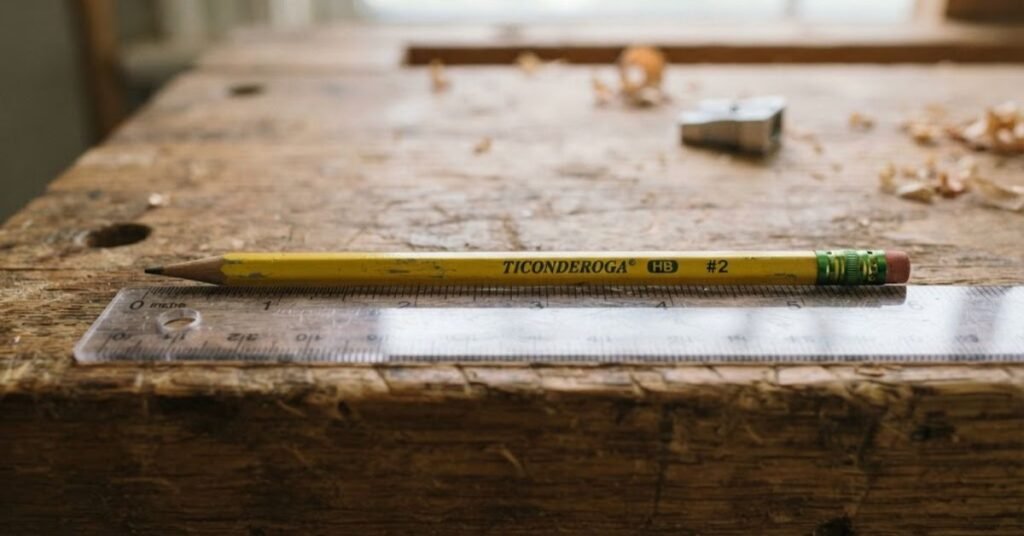
Ever tried picturing 6 inches without grabbing a ruler? You’re not alone. Most people can guess a foot or a yard pretty easily. But 6 inches sits in that awkward middle zone. Too small to compare to your arm. Too big to compare to a coin. That’s exactly why this guide exists. By the end, you’ll never need to ask “how long is 6 inches” again. You’ll just glance at your phone, your hand, or your desk and know.
Common Objects That Are About 6 Inches Long
Look around your desk right now. Odds are, something sitting on it is close to six inches long. A pencil, a phone, maybe even the TV remote across the room. These aren’t random picks either.
Designers size things around what fits comfortably in your hand. Six inches happens to be the sweet spot for grip and control. That’s why so many handheld items land in this exact range. It’s not a coincidence, it’s smart design.
Think of 6 inches as nature’s compromise between “too small to use” and “too big to carry.” Your brain already has plenty of built-in size references for this length. You just haven’t connected the dots yet.
More Everyday Items Around 6 Inches
Beyond your desk, six inches shows up in places you’d never expect. Your kitchen drawer, your bathroom shelf, even your travel bag. It’s one of those everyday measurements that quietly runs your whole day.
Builders use it, tailors use it, and so do artists sketching out a canvas layout. Even students lining up a school project reach for something close to this length. That’s the beauty of a practical measurement like this one. It shows up everywhere once you start looking.
Packaging companies love this size too. Boxes, mailers, and craft supplies often get built around six-inch dimensions. It fits neatly into storage spaces, shelves, and drawer organizers without wasting space.
How Big Is 6 Inches?
Let’s get the numbers out of the way first. Six inches equals 0.5 feet, or half a standard foot. In the metric system, that’s 15.24 centimeters, or 152.4 millimeters if you want to get technical. In meters, it rounds to about 0.152 meters.
Here’s a quick conversion chart so you don’t have to do the math yourself:
- 6 inches = 0.5 feet
- 6 inches = 15.24 centimeters
- 6 inches = 152.4 millimeters
- 6 inches = 0.152 meters
Now picture this without a tape measure. Hold your hand flat, fingers together, from your palm’s base to your middle fingertip. For most adults, that’s close to six inches. This kind of hand span trick works as a fast measurement without ruler whenever you need one.
1. Standard Pencil
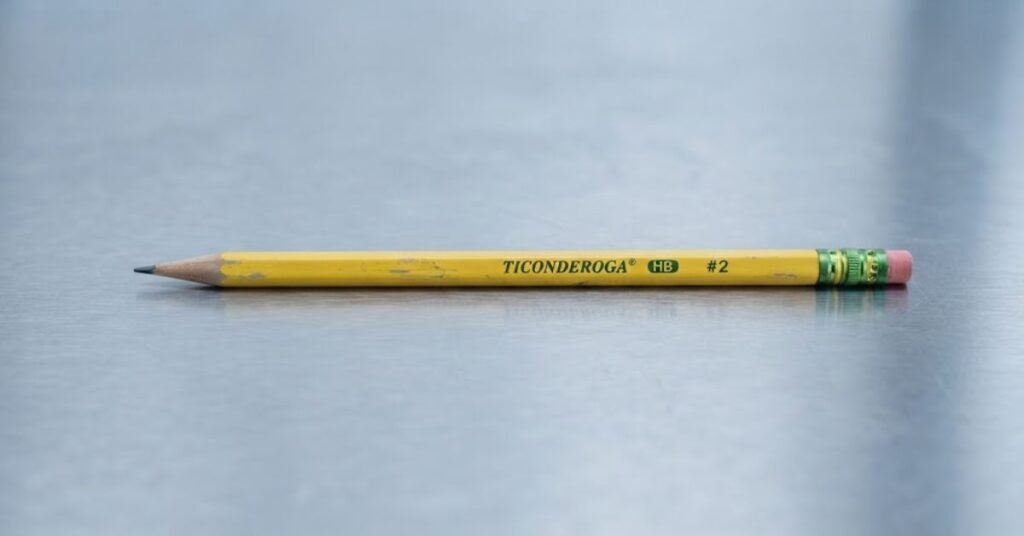
Grab a wooden pencil from your drawer and look at it closely. Before sharpening wears it down, a brand new one measures almost exactly six inches. That’s not an accident either, it’s an old standard that’s stuck around for over a century.
Teachers, students, and office workers have used this size forever. It fits pencil cases, desk drawers, and shirt pockets without any trouble. Next time you pick one up, you’re holding a real six-inch reference right in your hand.
2. Large Smartphone
Modern phones keep growing, and a large smartphone now often stretches close to six inches tall. Screens got bigger because we watch more video and scroll more feeds. Manufacturers responded by stretching the glass while still keeping it pocket friendly.
Hold your phone up next to a ruler sometime, you’ll probably be surprised. That everyday smartphone in your pocket might already be your best built-in size reference. No app required, just check your case dimensions.
3. US Dollar Bill
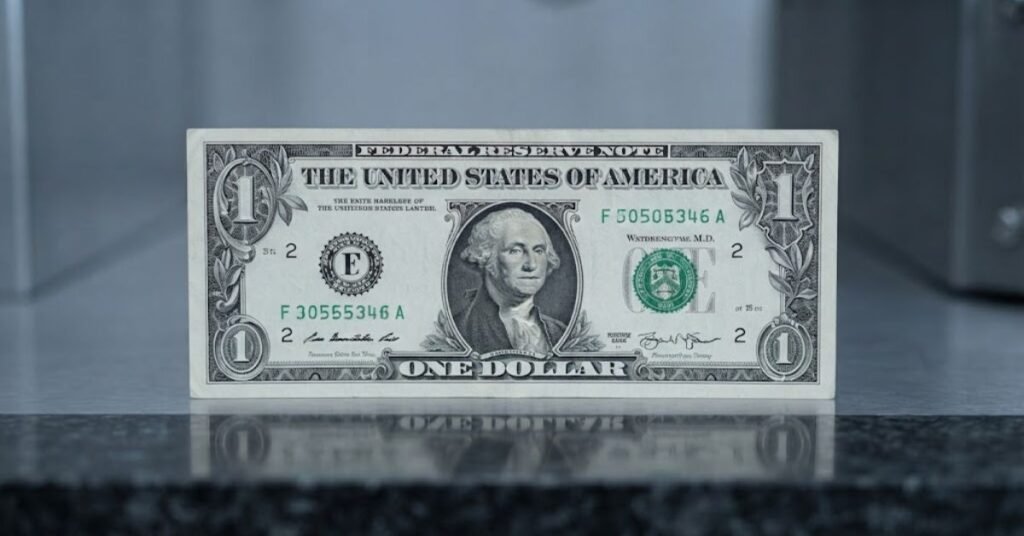
A dollar bill measures 6.14 inches long, just a hair over six inches. Every denomination of paper currency in the US shares this exact length. Fives, tens, twenties, they’re all built to the same size.
This makes cash one of the easiest visual comparisons you’ll ever have. Got a bill in your wallet right now? Lay it next to anything and you’ve got an instant ruler comparison without buying a single tool.
4. Kitchen Knife Blade
Step into your kitchen and check that mid-sized kitchen knife blade. A lot of everyday chef’s knives run right around six inches from tip to handle. Chefs prize this length because it handles chopping, slicing, and dicing without feeling clumsy.
Too long and it’s hard to control. Too short and you’re stuck sawing through everything. Six inches gives home cooks the balance point between power and precision on the cutting board.
5. Medium TV Remote Control
Your remote control probably lives on the couch arm or coffee table right now. A medium TV remote usually measures close to six inches from top to bottom. It’s designed that way so your thumb can reach every button without shifting your grip.
This size also fits neatly into armrest storage and couch cushion gaps. Ever notice how it always seems to slide into the same spot? That’s the six-inch design working in your favor, whether you realize it or not.
6. Adult Hand (Palm to Fingertip)
Here’s a personal one that travels with you everywhere. Measure from the base of your palm to the tip of your middle finger. Most adult hands land somewhere between five and seven inches, with six being the average.
This makes your own hand a built-in hand-based measurement tool. No batteries, no app, no forgetting it at home. Next time you’re eyeballing furniture at a store, just use your palm as backup.
7. Paperback Book Width
Pull any paperback book off your shelf and flip it sideways. The book width, meaning the shorter side, typically runs close to six inches. Publishers settled on this size decades ago because it fits comfortably in one hand while reading.
It also slides easily into bags, backpacks, and even large coat pockets. Next time you’re packing for travel, that paperback doubles as a rough size guide. Handy when you’re trying to fit things into a tight suitcase corner.
8. Half of a Standard Ruler
A standard ruler measures 12 inches, so naturally, half a ruler equals six inches exactly. This might sound obvious, but it’s one of the most useful tricks in this whole list. If you’ve got a ruler nearby, you already have a perfect six-inch measurement built right in.
Just fold your focus onto the halfway mark. It’s the simplest length comparison you’ll ever make, no math required. Teachers use this trick constantly when explaining fractions and measurement basics to kids.
9. Long Edge of an Envelope
Check a standard envelope sitting in your mail pile. The long edge of an envelope commonly measures close to six inches, depending on the style. Business envelopes and greeting card envelopes both tend to land in this range.
This makes envelopes surprisingly useful for quick estimates around the house. Need to check if something fits through a mail slot? Grab an envelope first, it might save you a trip to find an actual ruler.
10. Full-Size Makeup Brush
Open up any cosmetic bag and you’ll likely spot a full-size makeup brush close to six inches long. This length gives enough handle to grip firmly while still allowing precise control near the face. Too short, and your hand cramps up fast during application.
Makeup artists and everyday users both rely on this sizing for comfort. It also fits neatly into most toiletry bags and travel organizers without sticking out awkwardly. Next time you’re packing for a trip, notice how well it tucks into that side pocket.
11. Hair Comb
A classic hair comb usually measures right around six inches from end to end. This size lets it glide through hair smoothly while staying easy to hold and control. Shorter combs feel fiddly, longer ones get unwieldy fast.
Barbers and stylists have kept this length standard for generations. It fits pockets, grooming kits, and bathroom drawers without any fuss. A small detail, but one that’s been quietly consistent for a very long time.
12. Charging Cable Head Section
Look closely at your smartphone charging cable near the connector end. The cable connector along with its strain-relief section often measures close to six inches combined. This length gives your hand room to grip and unplug it without yanking the wire itself.
It also helps the cable survive daily bending near ports, which is usually where cables fail first. Next time your cable snaps, check if it broke past this six-inch zone. Manufacturers reinforce this stretch for exactly that reason.
13. Folded Sunglasses
Folded sunglasses tucked into their case usually measure close to six inches across. This size fits comfortably into bags, glove compartments, and desk drawers without taking up much room. Sunglass cases are built around this exact dimension for a reason.
It’s compact enough to toss into a backpack pocket. Yet sturdy enough to protect the lenses from getting crushed. Next time you fold yours up, notice how snugly it fits your palm.
14. Dessert Fork
Set your table with a dessert fork and take a quick look at its length. These smaller utensils typically measure close to six inches, shorter than a standard dinner fork. The reduced size suits smaller bites like cake, pie, or fruit without feeling clunky in hand.
Restaurants and home kitchens both keep this size standard for dessert courses. It’s a small detail most people never notice. But once you know it, you’ll spot it on every table you sit at.
15. Small Notepad Height
Check the small notepad or journal sitting in your bag or desk drawer. Its height, from top to bottom, often measures close to six inches for compact designs. This size makes it easy to slip into a purse, backpack, or jacket pocket.
Students, planners, and note-takers favor this size for quick jotting on the go. It’s big enough to write comfortably. Yet small enough to carry everywhere without adding bulk.
Extra Everyday Six-Inch References You Might Have Missed
There’s more to this list than the fifteen items above. A folded wallet with a few cards inside often measures close to six inches across when opened flat. Your shelf depth in a bathroom cabinet frequently gets built around this same dimension too.
Desk organizers, small storage cases, and even cable management clips get designed around six-inch spacing. It’s one of those quiet standards that shape product design without anyone talking about it. Once you start noticing it, you’ll spot it constantly.
Even drawer organizers and small folder sizes lean on this measurement. Manufacturers know it fits comfortably into most console drawers and countertop spaces. That’s why so many small household tools share this same rough size.
Why Knowing This Measurement Actually Helps You
This isn’t just trivia for the sake of it. Knowing a solid size reference saves you real time during shopping, packing, and home projects. Ever stood in a store aisle wondering if something would fit your shelf?
A quick mental estimate length check using your hand or a dollar bill solves that instantly. Crafters use it for layout planning. Builders use it for quick site checks before pulling out the tape measure.
Even during online shopping, product listings rarely give context beyond raw numbers. Knowing what six inches actually looks like turns a confusing spec sheet into something real. That’s the whole point of building familiar objects into your mental toolkit.
Final Thoughts
Six inches isn’t some obscure measurement locked away in a textbook. It’s your pencil, your phone, your dollar bill, and even your own hand. Once you connect a length to something familiar, you stop needing a tool to check it.
Try this the next time you’re shopping or packing for a trip. Grab your phone or a dollar bill and hold it up against whatever you’re eyeing. You’ll be surprised how often that quick visual comparison gets you the right answer.
Got a favorite six-inch object we missed on this list? Drop it in the comments, we’d love to hear what you’d add. And if this guide helped you picture things a little clearer, share it with a friend who’s always asking “how long is that, really?”

Ethan Whitmore is the editor and administrator of Stylovix, dedicated to making measurements, conversions, sizes, and dimensions simple, accurate, and easy to understand.
