

Ever tried explaining a size to someone and just… failed? You say “small” and they picture something totally different. That’s the problem with 2mm. It’s small enough to slip past your eye but big enough to matter when you’re shopping, repairing, or crafting something.
This guide fixes that gap. You’ll get real, touchable examples of 2 millimeters, tricks to estimate it without a ruler, and a full comparison table you can bookmark for later.
How Big Is 2mm?
Two millimeters equals 0.078 inches, or roughly 0.2 centimeters. That’s tiny. Picture the thickness of two stacked credit cards, and you’re close.
In the metric system, a millimeter is one thousandth of a meter. So 2mm is barely a scratch on your fingernail’s edge, yet it shows up everywhere. Screws, beads, seeds, wires. Small stuff runs the world more than people admit.
Here’s the tricky part. Your brain isn’t wired to judge small dimensions well. Ask someone to draw a 2mm line, and most guess way too big. That’s exactly why visual reference points matter so much here.
Ways to Estimate 2mm Without a Ruler
You won’t always have a ruler handy. Maybe you’re at a hardware store, or standing in your kitchen, wondering if that seed matches the part you need. Good news: your body and pocket items double as measuring tools.
Measuring without a ruler isn’t guesswork if you know the right anchors. Below are three practical methods people actually use.
Using Your Fingers
Your fingernail’s width, right at the tip, sits close to 10mm across. Cut that mentally into fifths, and one slice lands near 2mm.
Another trick: look at the edge of your finger, not the flat top. That thin sliver you see from the side? That’s roughly your target size. It sounds odd until you try it.
Using Coins or Cards
A single credit card runs about 0.76mm thick. Stack nearly three together, and you’ve hit 2mm almost exactly. This is one of the most reliable size estimation hacks around.
Coins work too. The edge of a US dime, viewed from the side, gives you a rough visual for comparison. It won’t be perfect, but it’s close enough for casual shopping measurements.
Using Common Small Objects
Sesame seeds are a favorite reference because almost everyone has them in the pantry. Lay two side by side, and you’re staring at roughly 2mm in raw form.
A grain of coarse rock salt works the same way. So does a mustard seed, though sizes vary slightly by type. These kitchen ingredients turn into surprisingly good measurement tools when you’re in a pinch.
Quick Comparison Table
Sometimes a table beats a paragraph. Here’s a detailed comparison table covering the ten objects we’ll expand on next, plus a few bonus items for context.
| Object | Approximate Size | Category |
|---|---|---|
| Sesame seed | 2mm length | Kitchen ingredient |
| Pencil lead | 2mm width | Art supply |
| Small jewelry bead | 2mm diameter | Craft material |
| Grain of rock salt | 2mm width | Kitchen ingredient |
| Mechanical pencil tip | 2mm diameter | Writing tool |
| Tiny screw head | 2mm width | Hardware component |
| Mustard seed | 2mm diameter | Kitchen ingredient |
| Earphone wire | 2mm thickness | Electronics accessory |
| Craft foam sheet | 2mm thickness | Craft material |
| Watch gear part | 2mm width | Precision engineering |
Keep this table handy. It’s the fastest visual measurement guide you’ll find for everyday 2mm objects.
1. Sesame Seed Length
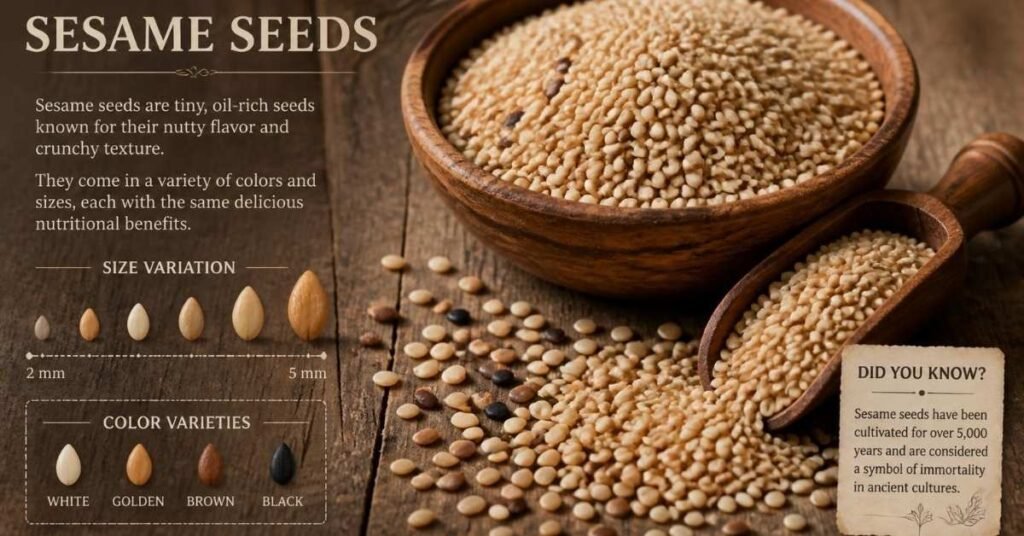
Grab a handful of sesame seeds from your spice rack. Most measure close to 2mm in length, sometimes stretching a touch longer depending on the variety.
Bakers use this comparison all the time. Next time you’re topping bread or bagels, notice how each seed sits. That’s your natural object entity reference for 2mm, sitting right there on your kitchen counter.
2. Pencil Lead Width
Standard drawing pencils, especially ones used for shading work, often carry a 2mm lead. Artists prefer this thickness because it balances detail with durability.
Compare it to a typical mechanical pencil lead, which usually runs thinner at 0.5mm or 0.7mm. That gap explains why technical drawing work often calls for the thicker 2mm option instead.
3. Small Jewelry Bead

Walk into any craft store, and you’ll find bins of tiny beads labeled by millimeter size. A 2mm bead sits among the smallest options used in bracelet making and delicate necklace designs.
These beads demand patience. Stringing dozens of them for a single decorative pattern takes steady hands and good lighting. Jewelry makers often call this size the starting point for fine, detailed pieces.
4. Grain of Rock Salt
Not all salt looks the same. Table salt grains run much smaller, but coarse rock salt crystals often reach 2mm across, sometimes bigger.
Chefs actually rely on this size difference. A salt crystal at 2mm dissolves slower, giving food a pop of texture instead of blending straight into the dish. Next time you cook, take a second look at your salt grains.
5. Mechanical Pencil Tip
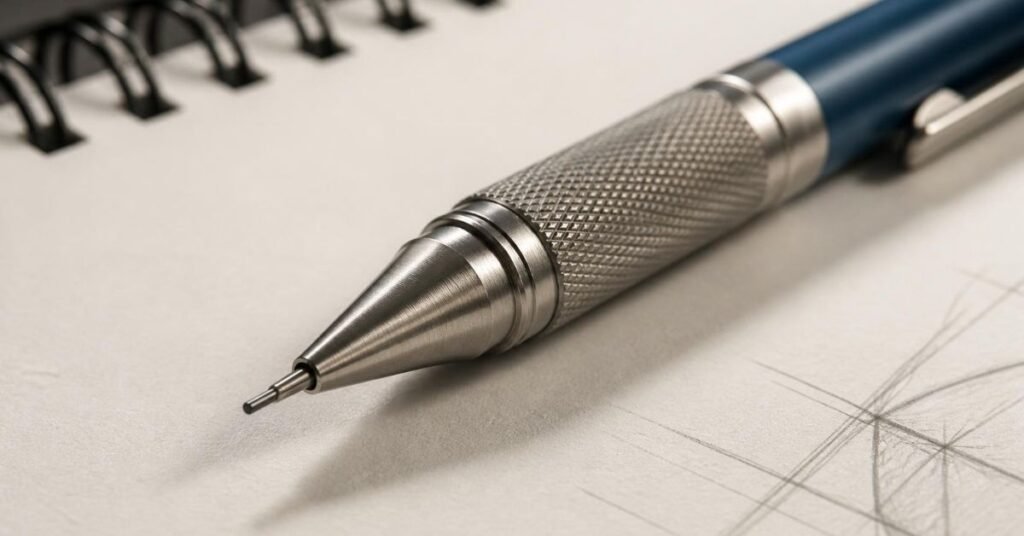
Most mechanical pencils use 0.5mm or 0.7mm lead, but specialty versions built for drafting tools and bold sketching go up to 2mm. These wider tips suit art supplies meant for shading large areas fast.
If you’ve ever used a lead holder in technical drawing classes, you’ve likely held a 2mm tip without realizing it. Architects and drafters still favor this width for clean, consistent lines.
6. Tiny Screw Head
Open up an old phone, a pair of glasses, or a laptop hinge, and you’ll spot tiny screw heads around 2mm wide. These hold together the guts of devices we touch daily.
Repair technicians keep precision screwdrivers just for this size. Losing one of these screws during an electronics repair job is a nightmare, given how easily something this small rolls under a desk and vanishes.
7. Small Mustard Seed

Mustard seeds vary by type, but many land right around 2mm in diameter. Yellow mustard seeds tend to run slightly larger than black or brown varieties.
Home cooks use this seed constantly, whether for pickling, tempering spices, or grinding into paste. Next time you open that jar, you’re looking at a genuine 2mm reference sitting in your spice cabinet.
8. Earphone Wire Thickness
Standard earbud cable thickness often measures close to 2mm, though this shifts based on brand and cable type. Thicker cables tend to resist tangling better, which matters if you’re tired of untying knots every morning.
Charging cables follow similar patterns. Next time you’re comparing portable devices accessories, check the cable width. That extra millimeter or two often signals better durability.
9. Thin Craft Foam Sheet
Craft foam sheets used for school projects and party decorations commonly come in 2mm thickness. This size hits a sweet spot: thin enough to cut easily, sturdy enough to hold shape.
Teachers and parents reach for this material constantly. It bends without cracking, cuts cleanly with scissors, and takes color well. That combination makes it a staple in classrooms everywhere.
10. Small Watch Gear Part

Inside every mechanical watch sits a tiny universe of gears, some as small as 2mm wide. These parts drive the watch mechanism that keeps time ticking accurately, second after second.
Watch repair specialists use magnifying tools just to handle pieces this small. One misplaced gear, and the entire timekeeping system stalls. It’s precision engineering at its most unforgiving scale.
Why Small Measurements Matter More Than You Think
You might wonder why anyone obsesses over a couple millimeters. Here’s the honest answer: precision measurement decides whether things fit, function, or fail.
Buy the wrong screw size for your glasses repair, and nothing lines up right. Order beads that run 1mm off from what your pattern needs, and your DIY project falls apart halfway through. Small dimensions carry big consequences.
How Online Shoppers Misjudge Millimeter Sizes
Online shopping makes this worse. Product photos often zoom in, making a 2mm item look like a 20mm item. You order it, it arrives, and suddenly you’re holding something the size of a grain of salt.
Sellers list product dimensions for a reason. Before buying tiny hardware, beads, or electronic parts, always check the listed millimeter size instead of trusting the photo alone. That single habit saves returns and refunds.
Millimeters vs Inches: A Simple Breakdown
Some readers think in inches, not millimeters, especially in the US. Here’s a quick bridge between the two systems.
- 2mm equals 0.078 inches
- 1 inch equals roughly 25.4mm
- 2 centimeters equals 20mm, ten times bigger than our topic today
- 3 centimeters equals 30mm, useful for comparing mid-size objects
Understanding this measurement conversion helps when you’re reading product specs from different countries. A UK listing in millimeters and a US listing in inches can describe the exact same size.
FAQs
How big is 2mm in inches?
Two millimeters converts to about 0.078 inches. Round it, and you’re basically looking at one thirteenth of an inch, a genuinely tiny measurement.
What common object is 2mm big?
A sesame seed, a mustard seed, or the tip of a thick mechanical pencil all sit close to 2mm. These everyday objects make solid references since most people already have them nearby.
Is 2mm easy to see?
Yes, but barely. The naked eye can spot 2mm without much trouble, though fine details on an object that small often need better lighting or a slight squint to judge properly.
What does 2mm look like?
Picture a tiny round dot, close to the size of a small seed or the edge of a stacked coin. It’s small, but not invisible, sitting right at the edge of comfortable visibility.
How can I measure 2mm without a ruler?
Stack about three credit cards together, or compare against a sesame seed. Both give a fairly accurate visual reference when you don’t have measuring tools within reach.
Conclusion
Two millimeters doesn’t sound impressive on paper, yet it shows up in screws, seeds, wires, and gears that keep everyday life running smoothly. Once you’ve got a few solid reference points, sesame seeds, stacked cards, pencil leads, judging small measurements stops feeling like guesswork.
Next time you’re shopping for hardware, crafting jewelry, or fixing a wobbly pair of glasses, you’ll know exactly what 2mm looks like before it even arrives at your door.

Ethan Whitmore is the editor and administrator of Stylovix, dedicated to making measurements, conversions, sizes, and dimensions simple, accurate, and easy to understand.
