
You grabbed a product listing, and it says 20 cm. Now what? If you grew up on inches and feet, that number probably means nothing to you at first glance. You’re not alone here.
Twenty centimeters shows up everywhere. Shoe boxes, tablet screens, pizza menus, even parcels waiting at your door. Knowing what it actually looks like saves you from guessing, measuring twice, or returning something that just doesn’t fit.
This guide gives you the exact conversions, then walks you through twelve everyday objects that are roughly 20 cm long. By the end, you won’t need a ruler. You’ll just know.
20 CM By Every Unit You Could Ever Need
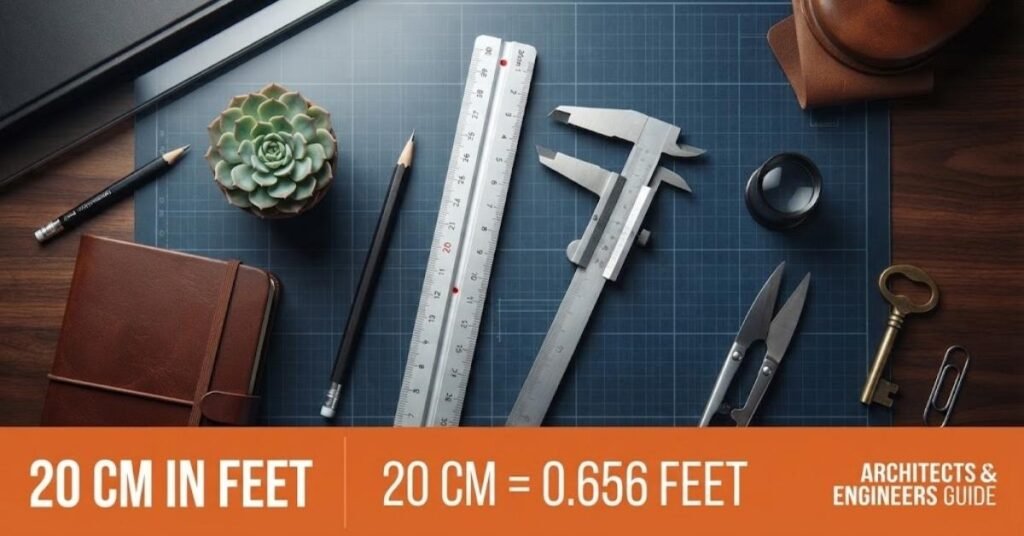
Let’s get the numbers out of the way first, since that’s probably why you’re here. Twenty centimeters equals 7.87 inches, which most people round to about 8 inches. It also equals 0.2 meters, 200 millimeters, and 0.656 feet.
If you’re working in fractions rather than decimals, 20 cm lands close to 7 and 7/8 inches. Carpenters, tailors, and anyone using an imperial tape measure will find that fraction more useful than the decimal version.
Here’s a quick reference table you can bookmark:
| Unit | Value |
|---|---|
| Millimeters | 200 mm |
| Centimeters | 20 cm |
| Meters | 0.2 m |
| Inches | 7.87 in |
| Feet | 0.656 ft |
| Yards | 0.218 yd |
Keep this table handy. Whether you’re shopping internationally, following a recipe, or reading a furniture spec sheet, this converts everything in one glance.
Twelve Things Near You Right Now That Prove the Point
Numbers on a page don’t always click. Your brain remembers shapes, not decimals. So here are twelve real, everyday objects that measure close to 20 cm. Some might be sitting on your desk right now.
1. A Folded Newspaper (Half Page Width)

Fold a standard broadsheet newspaper in half, and the width usually lands right around 20 cm. Next time you pick one up at a café, measure it. You’ll be surprised how consistent this size is across most publications.
Newspapers were designed for portability long before digital screens existed. That half-fold width became a practical standard, one that still holds up today, decades after print took a back seat to phones and tablets.
2. A Standard Unsharpened HB Pencil
A brand-new, unsharpened pencil measures almost exactly 19 cm, which rounds up close enough to 20 cm for a quick mental picture. Sharpen it a few times over the school year, and it shrinks fast.
This is probably the easiest object to visualize since nearly everyone has held one. Picture two pencils end to end, and you’re looking at roughly 40 cm, or double our target length.
3. A Men’s Dress Shoe (Size 8 UK / 42 EU)
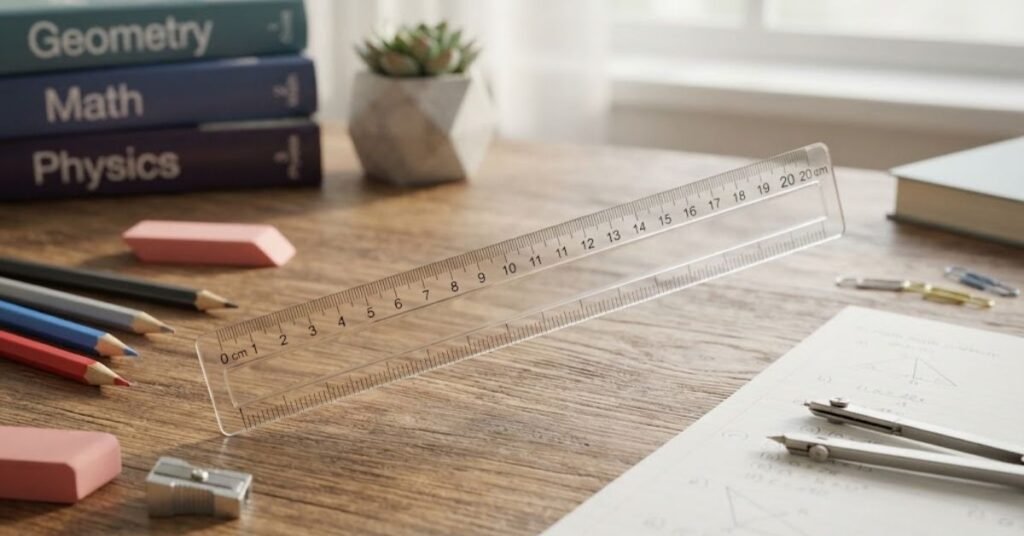
A men’s dress shoe in UK size 8 or EU size 42 runs about 20 cm from heel to toe on the sole itself. Shoe brands measure this internally, which is why insole length charts matter more than the printed size when you’re buying online.
If you’ve ever ordered shoes overseas and had them arrive slightly wrong, this is usually why. Sizing charts vary by country, but the actual centimeter length on the label rarely lies.
4. A Paperback Novel (Width)
Most mass-market paperbacks measure close to 11 cm wide and 18 cm tall, but plenty of trade paperbacks stretch to 20 cm in height. Grab one off your shelf and check. Publishers didn’t pick this size by accident.
That dimension fits comfortably in a bag, a coat pocket, or a nightstand drawer. It’s been the standard for decades because it simply works for how people actually read and carry books.
5. A Wooden Cooking Spoon

A typical wooden cooking spoon, the kind sitting in your kitchen utensil holder right now, measures around 20 cm from handle to bowl. Longer spoons exist for deep pots, but the everyday version sticks close to this length.
Chefs like this size because it keeps your hand a safe distance from a hot pan without becoming awkward to control. It’s a small design detail most people never think about, but it matters.
6. A Tablet Screen Diagonal (Small Compact Tablets)
Compact tablets, the smaller ones built for reading or casual browsing, often have a screen diagonal close to 20 cm, which translates to roughly 7.9 inches. That’s the exact measurement Apple used for one of its smaller iPad models.
If you’re shopping for a tablet and want something that fits in a bag without feeling bulky, this size range hits a sweet spot between portability and actually being able to read the screen.
7. A Standard Envelope (DL Size)
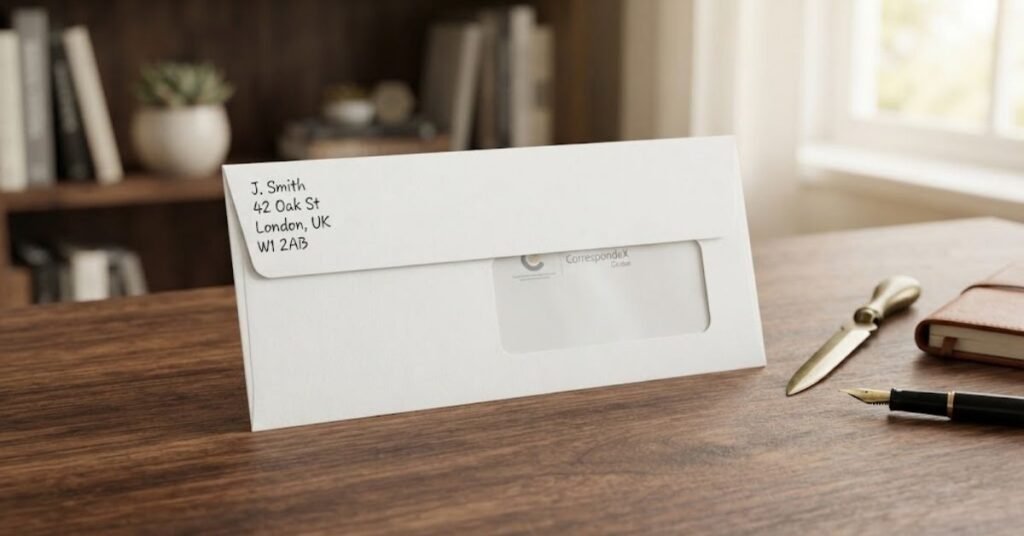
A DL envelope, the kind used for standard business letters across most of Europe, measures 22 cm by 11 cm. Fold that in half along the short edge, and you land almost exactly at 11 cm, but the long edge alone sits just past our 20 cm mark.
This size exists because it fits a standard A4 sheet folded into thirds. Next time a bill arrives in the mail, check the envelope. Chances are it’s this exact size.
8. A Newborn Baby’s Foot
This one surprises people. A newborn’s foot typically measures between 7 and 8 cm, nowhere close to 20 cm on its own. But line up two to three newborn footprints end to end, and you’ll hit that 20 cm mark quickly.
Parents shopping for baby shoes often reference this scale when comparing growth charts. It’s a strange but memorable way to visualize just how small a newborn really is.
9. A Craft Beer Can (Tall 500ml Format)

The tall format 500ml craft beer can, popular with breweries that want their branding to stand out on a shelf, measures close to 17 cm in height. Add the cap rim and a slightly taller can design, and some brands land right at 20 cm.
Breweries choose taller cans deliberately. It gives label designers more vertical space to work with, and it makes the can look larger next to standard 330ml options sitting beside it.
10. A Personal Pizza (20 cm Pizza Size)
A personal-sized pizza, the kind meant for one hungry person rather than a table to share, is almost always cut to a 20 cm diameter. Pizzerias treat this as an industry standard for single servings.
That size gives you roughly six modest slices or four generous ones. It’s also the most common size for frozen personal pizzas sold in grocery stores, so check the box next time you’re in the freezer aisle.
11. A Hardback Children’s Book
Picture books for young readers are frequently printed at 20 cm by 20 cm, a perfectly square format that publishers favor for illustration-heavy layouts. That square shape gives artwork room to breathe on both sides of the spine.
If you’ve read to a toddler recently, there’s a good chance the book in your hands matched this exact square dimension. It’s one of the most consistent sizes in children’s publishing.
12. A Standard House Brick (Length)
A standard house brick, at least in most countries following metric building codes, measures around 21.5 cm in length, just slightly over our 20 cm benchmark. Builders round this to a working 20 cm for quick on-site calculations.
Bricklayers use this rounded figure constantly when estimating how many bricks a wall will need. It’s not exact, but it’s close enough that the math stays simple and fast.
Left Your Ruler Somewhere? Try These Instead
Not every situation gives you access to a tape measure. Maybe you’re at a friend’s house, or your toolbox is buried in a closet somewhere. Here’s how to estimate 20 cm using things you probably already have.
A standard sheet of A4 paper is 21 cm wide, just a hair over our target. If you don’t have paper handy, a US dollar bill measures about 15.6 cm, so one bill plus roughly a third of another gets you close.
Your own hand works too. Most adults can span somewhere between 18 and 22 cm with fingers stretched wide from thumb tip to pinky tip. It won’t be lab-accurate, but for quick decisions, it does the job.
- A4 paper width: 21 cm (close enough for most estimates)
- A stretched adult hand span: roughly 18 to 22 cm
- Two credit cards laid end to end: about 17 cm
- A smartphone in landscape mode: often 14 to 16 cm, so add a thumb’s width
The 20 cm Pizza Angle Most People Miss
Here’s something restaurant menus rarely explain clearly. When a pizzeria lists a “personal” or “individual” pizza, that 20 cm figure isn’t random marketing fluff. It’s tied directly to dough weight and oven timing.
A 20 cm pizza base typically uses somewhere between 150 and 180 grams of dough, depending on how thick the crust runs. Go smaller than that, and the base cooks unevenly. Go bigger, and you’re no longer serving a true personal size, you’re serving a small.
This matters if you’re comparing prices across pizzerias. A place charging more for a “personal pizza” that’s actually 25 cm isn’t giving you a personal pizza at all, it’s upselling a medium under a smaller name. Knowing the real 20 cm benchmark helps you spot that difference before you order.
Why Metric to Imperial Confusion Happens So Often
Most confusion around centimeters comes down to one simple fact: not every country grew up using the same system. The United States sticks with inches and feet for daily life, while most of the rest of the world runs on the metric system.
That split creates friction constantly. You order a product from a UK or European site, the listing says 20 cm, and suddenly you’re doing mental math you didn’t sign up for. Multiply by 0.3937, or just remember that dividing by 2.5 gets you a rough inch estimate fast.
That rough shortcut, dividing centimeters by 2.5, won’t give you lab precision, but it gets you close enough for shopping, packing, or picturing an object in your head. For 20 cm, that math lands you at 8 inches almost exactly, which happens to match our more precise 7.87 inch figure closely.
Practical Situations Where Knowing 20 cm Actually Helps You
You’ll run into this measurement more often than you’d expect. Online shopping listings, especially from overseas sellers, almost always use centimeters. If you’re buying a bag, a shoe box, or even kitchenware, that number tells you whether it’ll actually fit your space.
Shipping and packaging is another spot where this pops up constantly. Postal services set size limits in centimeters, and knowing that 20 cm is roughly the length of a dress shoe or a paperback book helps you eyeball whether your package will meet the requirement.
Even home projects benefit from this. Hanging a shelf, planning a garden bed border, or figuring out if a picture frame fits a wall gap, all of it gets easier once 20 cm has a mental picture attached to it instead of just being an abstract number on a tape measure.
FAQs
Is 20 cm the same as 8 inches? Not exactly, though it’s close. Twenty centimeters equals 7.87 inches, which most people round up to 8 for everyday purposes.
How many millimeters are in 20 cm? There are 200 millimeters in 20 centimeters. One centimeter always equals 10 millimeters, so the math is straightforward.
What household item is closest to 20 cm? A standard unsharpened pencil, a paperback book, or a personal pizza are all solid everyday references for visualizing this length.
Is a 20 cm pizza considered small? Yes, it’s generally classified as a personal or individual size, meant to feed one person rather than being shared.
How do I convert 20 cm to feet accurately? Divide 20 by 30.48, which gives you 0.656 feet. That’s just shy of two-thirds of a foot.
Why do some countries use cm while others use inches? It comes down to historical measurement systems. Most of the world adopted the metric system officially, while the US retained the imperial system for everyday use.

Ethan Whitmore is the editor and administrator of Stylovix, dedicated to making measurements, conversions, sizes, and dimensions simple, accurate, and easy to understand.
