
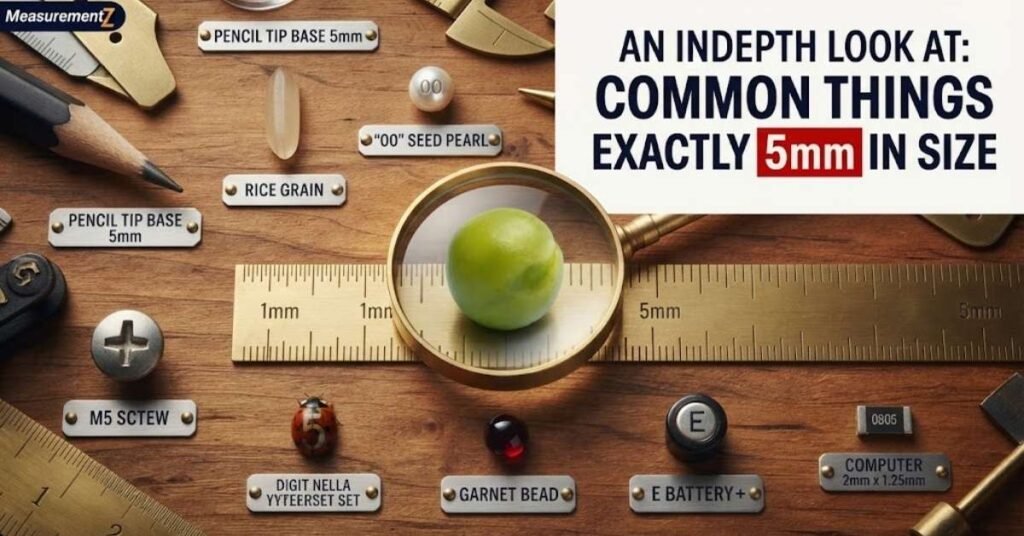
Ever held something tiny and wondered, “how big is 5mm” really?
You’re not alone.
Millimeters are one of those units we hear about but rarely picture clearly.
This guide breaks down 5mm using things you already touch every day, no ruler needed.
By the end, you’ll spot 5mm examples everywhere, from your kitchen drawer to your jewelry box.
How Big Is 5mm?
5mm equals 0.5 centimeters, or 0.005 meters if you want the metric breakdown.
In inches, that’s roughly 0.197 inches, just shy of a quarter inch.
Convert it to feet and you get about 0.016 feet, which sounds tiny because it is.
Think of it this way: two 5mm objects stacked together barely reach one centimeter.
Compare that to 2mm or 3mm, and 5mm starts to feel noticeable, almost chunky by comparison.
It’s small enough to slip through your fingers but large enough to see clearly across a room.
This matters more than you’d guess when you’re shopping for replacement parts or comparing product dimensions online.
A listing that says “5mm” without context leaves you guessing, but once you’ve got a mental picture, that guessing stops.
How to Estimate 5mm Without a Ruler
You don’t always have a ruler handy, and that’s fine.
Your body and your wallet carry built-in measurement tools you’ve never thought to use.
Here’s how people estimate size on the fly, without any fancy gear.
Using Your Fingers
Your fingernail width often lands close to 5mm, especially near the fingernail corner.
Try this: look at your pinky nail. That narrow edge? Pretty close to your target.
Fingertip measurement tricks like this won’t replace precision tools, but they work in a pinch.
Using Coins or Cards
Stacked credit cards offer a surprisingly reliable visual reference for small sizes.
A standard credit card is about 0.76mm thick, so seven stacked together roughly equal 5mm.
Coins work too. The edge thickness of many coins hovers right around this common size.
Using Everyday Objects
Grab a pencil. The pencil eraser width usually sits right at 5mm, give or take.
Everyday comparison tricks like this beat guessing blind, and they’re kind of fun once you start noticing.
Soon you’ll size things up without even reaching for a measurement conversion chart.
These body reference tricks aren’t perfect, but they get you close enough for most casual jobs around the house.
Save the actual ruler for anything that needs true millimeter accuracy, like repairs or hardware work.
Quick Comparison Table
Sometimes a table says more than a paragraph ever could.
| Object | Approximate Size | Category |
|---|---|---|
| Green pea | 5mm diameter | Food |
| Pencil eraser | 5mm width | Office |
| Craft bead | 5mm diameter | Crafts |
| Headphone jack opening | 5mm | Electronics |
| Shirt button | 5mm width | Fashion |
| Charging cable | 5mm thickness | Electronics |
| Toy marble (small) | 5mm | Toys |
| Watch crown | 5mm width | Watchmaking |
| Coarse gravel piece | 5mm | Landscaping |
Keep this conversion chart bookmarked. It’s handy for product sizing questions later.
1. Green Pea Diameter
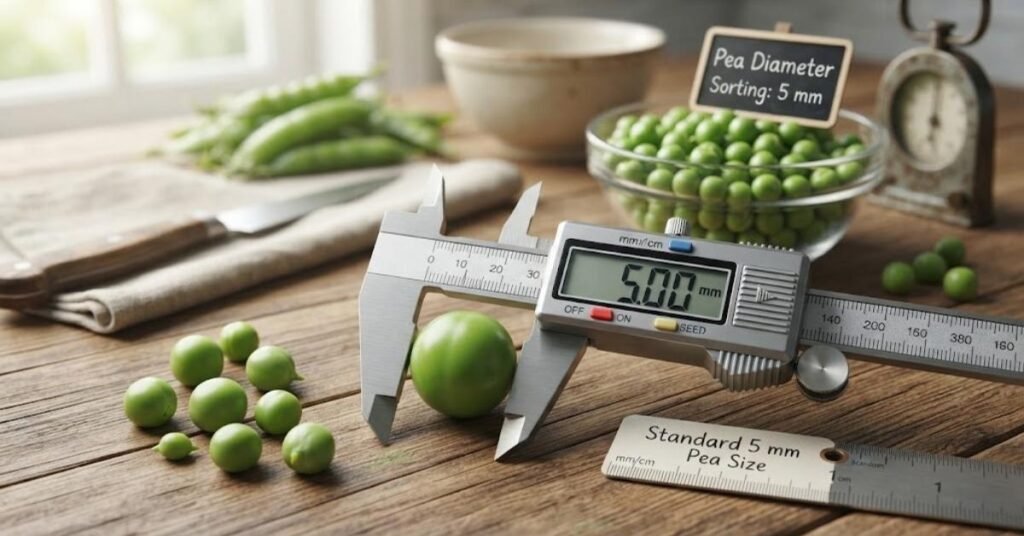
Picture a fresh green pea straight from the pod, round and slightly glossy.
Its diameter typically measures close to 5mm, sometimes a touch larger depending on the variety.
Next time you’re shelling peas for dinner, you’re literally holding a real-life size reference.
Grocery store produce sections are full of these accidental size comparison tools if you know where to look.
Peas from your garden tend to vary slightly, but the average stays remarkably consistent across most types.
It’s a strange little fact, but chefs and gardeners alike use this trick to judge ripeness.
2. Pencil Eraser Width
Your standard pencil eraser isn’t just for fixing mistakes, it’s a built-in ruler.
Most erasers measure around 5mm across the top, making them a go-to size reference for students and artists.
Check your art supplies drawer. Chances are good you’ve got one within reach right now.
Teachers sometimes use this trick to explain measurements without pulling out actual tools.
It works because everyone already owns a pencil, no special school materials required.
Simple, familiar, and surprisingly accurate once you compare it against a real ruler.
3. Small Craft Bead
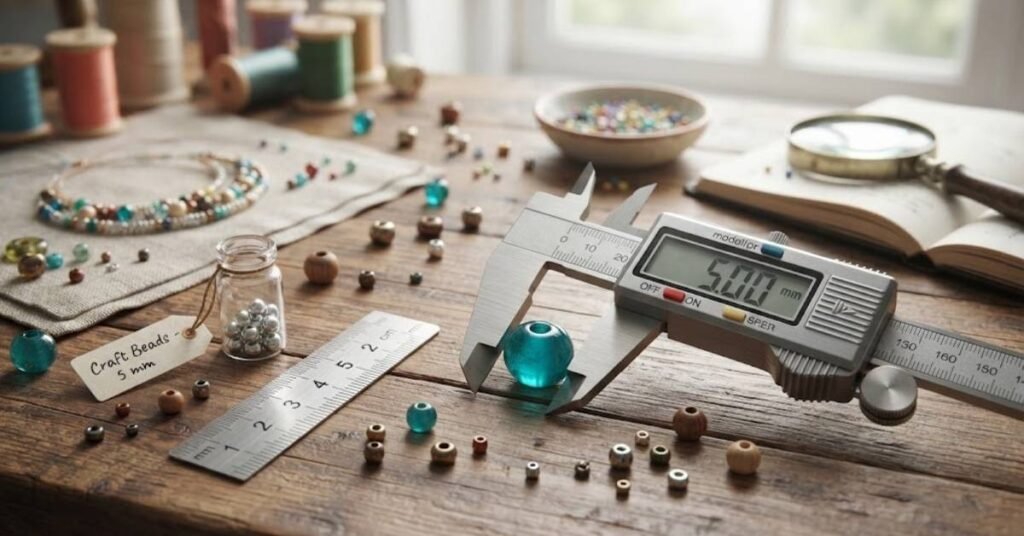
If you’ve ever strung a necklace or bracelet, you’ve handled beads this size.
A typical craft bead used in DIY jewelry measures about 5mm in diameter, small but easy to grip.
Jewelry beads this size strike a balance between detail work and comfortable handling.
Crafters love this size because it’s neither too fiddly nor too bulky for handmade crafts.
Jewelry supplies stores sell these by the hundreds, and most customers never realize the exact dimensions they’re buying.
Now you know, next time you’re shopping for decorative items online.
4. Headphone Jack Opening
Ever squinted at your phone trying to find the headphone jack opening?
That tiny slot measures roughly 5mm across, just enough to fit a standard audio equipment plug.
Wired headphones rely on this exact compatibility standard to work across different devices.
It’s a small detail, but connectors this size are engineering choices, not accidents.
Manufacturers stick to this product dimensions standard so your old headphones still work with newer gear.
That’s precision design quietly doing its job, mostly unnoticed until something doesn’t fit.
5. Tiny Button Width
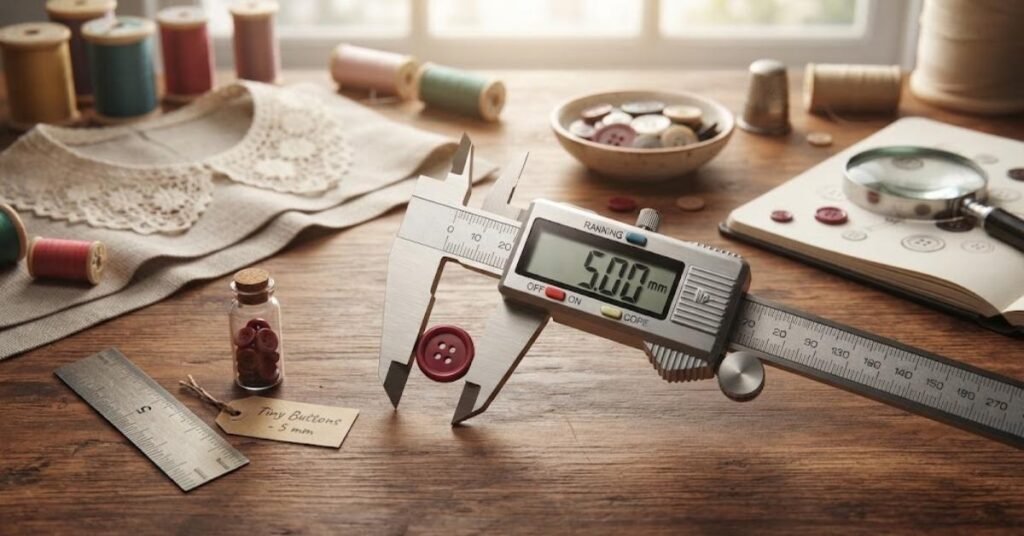
Buttons on dress shirts or baby clothes often measure close to 5mm in width.
This tiny button size keeps fastening fabric secure without looking bulky or awkward.
Shirt buttons and craft buttons used in sewing projects frequently share this exact sizing.
Seamstresses pick this size deliberately, it’s small enough for delicate fabric, sturdy enough to hold.
Even doll clothing uses scaled down buttons around this size, proving how versatile it really is.
Next time you fasten a shirt, notice the button. You’re touching a 5mm object.
6. Thick Cable Width
Not all cables are created equal, and thickness matters more than people realize.
A thick cable, like some charging cables or extension wire, often measures around 5mm in width.
This electronic wire thickness usually signals better durability and current handling.
Adapters and connectors built for these cables account for that width in their design.
If your charger feels chunkier than expected, it’s probably built for flexibility and durability over slimness.
Electronics manufacturers balance thickness against portability, and 5mm often lands right in that sweet spot.
7. Small Marble Size
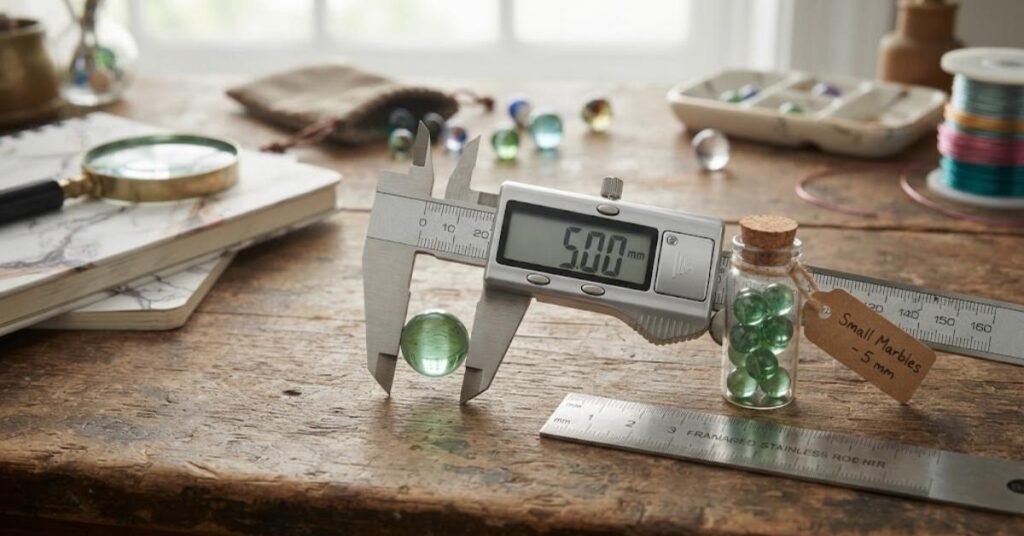
Remember playing marbles as a kid, rolling them across the floor?
A small marble, particularly a toy marble used in games, often measures close to 5mm.
These are smaller than the classic shooter marbles but still satisfying to collect.
Glass marbles this size catch light beautifully, which is part of their charm.
Kids and collectors alike appreciate how lightweight and easy to handle these little spheres feel.
It’s a nostalgic 5mm example that most adults haven’t thought about in years.
8. Watch Crown Width
The little knob on the side of your watch does more than you’d think.
That watch crown, sometimes called a watch knob, typically measures 5mm in width.
It’s used for time adjustment and date adjustment, small movements with big impact on accuracy.
Watchmaking demands millimeter accuracy here, since even a slightly off crown affects functionality.
Watch shopping online? Check the crown size, it affects grip and how easy the watch is to adjust.
Watch parts this small require serious precision work to manufacture correctly, every single time.
9. Coarse Gravel Piece
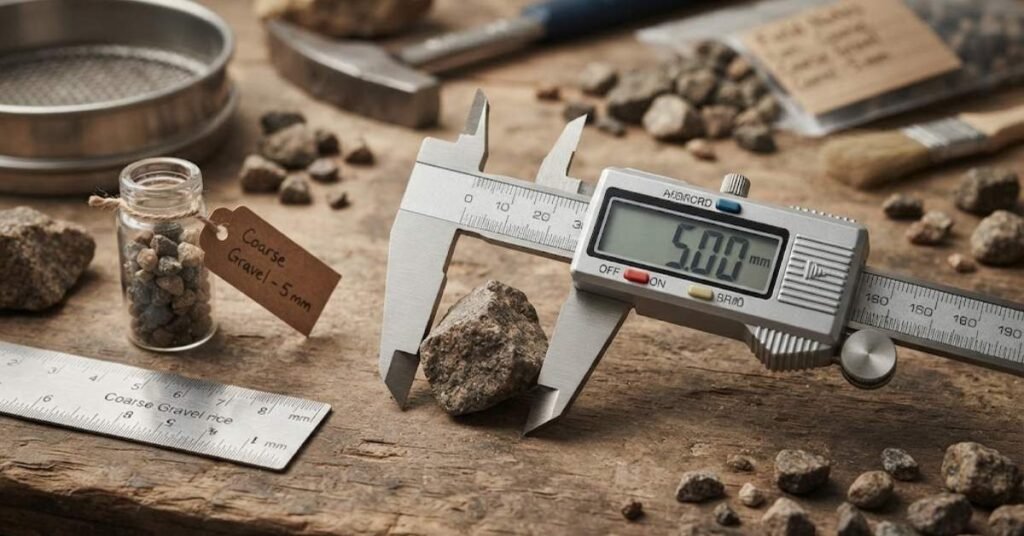
Step outside and look down at your driveway or garden path.
A coarse gravel piece used in landscaping often measures around 5mm across.
This size sits between fine sand grains and larger decorative rock, making it ideal for drainage.
Construction materials suppliers grade gravel by size, and 5mm counts as a common, practical choice.
It’s rough, solid, and does its job quietly under pathways and garden beds everywhere.
Next time you walk on gravel, you’re stepping on thousands of these 5mm pieces.
Why Millimeter Precision Matters More Than You Think
You might wonder why anyone cares about a difference this small.
Turns out, precision at this scale affects everything from product compatibility to safety in hardware parts.
A screw or drill bit off by even 2mm or 3mm won’t fit where it’s supposed to.
Manufacturers rely on accurate sizing to keep replacement parts interchangeable across brands and models.
For online shopping, knowing exact dimensions saves you from ordering the wrong product size entirely.
That’s why buyers should always check listed measurements before clicking purchase, especially for jewelry shopping or hardware.
Think about buying doll clothing or jewelry supplies without checking size charts first. You’d probably end up returning half your order.
A little attention to scale upfront saves a lot of frustration, and postage, later on.
5mm Compared to Other Everyday Measurements
Context helps. Seeing 5mm next to familiar lengths makes it click faster.
A standard sheet of paper is about 0.1mm thick, so 5mm equals roughly 50 sheets stacked together.
Compare 5mm to 4 inches, 6 inches, or even 8 inches, and the gap feels massive.
It’s a reminder that millimeter measurements and inch measurements serve very different purposes.
For fine detail work like DIY jewelry or repairs, millimeters win every time for accuracy.
For furniture or room dimensions, you’ll naturally shift toward inches or feet instead.
Tools That Actually Measure 5mm Accurately
Estimation tricks are great for casual moments, but some jobs need real precision.
A digital caliper gives you exact measurement accuracy, down to fractions of a millimeter, far beyond what a ruler can offer.
For watchmaking, jewelry making, or fine DIY work, this level of detail actually matters.
A basic ruler still works fine for most household items, buttons, beads, cables, that sort of thing.
But if you’re drilling holes for screws or matching drill bits to exact specs, grab the caliper instead.
Choosing the right tool depends entirely on the job, not just what’s sitting in your drawer.
Where You’ll Spot 5mm Objects Most Often
Once you start noticing 5mm, you’ll see it everywhere, almost annoyingly so.
Your office desk probably has three or four 5mm items within arm’s reach right now, pens, erasers, small clips.
Craft projects and decorative crafts rely heavily on this size for beads, buttons, and trims.
Even outdoors, landscaping materials like gravel and decorative rock frequently fall into this range.
Electronics repair shops handle connectors and adapters built to this exact scale every single day.
It’s one of those sizes that quietly shows up across totally unrelated corners of daily life.
Quick FAQs
How big is 5mm in inches?
5mm converts to about 0.197 inches, just under a quarter inch on a standard ruler.
What common object is 5mm big?
A green pea, a pencil eraser, or a craft bead all sit close to this common size.
Is 5mm easy to see?
Yes, 5mm is easily visible without magnification, though it’s still small enough to require careful handling.
What does 5mm look like?
Picture a shirt button or a small marble. Both give you an accurate visual size guide.
How can I estimate 5mm without a ruler?
Use your fingernail width, stacked credit cards, or a pencil eraser as a quick size reference.
Conclusion
Measurements don’t have to feel abstract or confusing.
Once you connect 5mm to things you already own, like a pencil eraser or a craft bead, it clicks instantly.
Whether you’re shopping online, working on DIY projects, or just curious, this visual comparison approach saves guesswork.
Next time someone asks how big 5mm really is, you’ll have nine solid answers ready to go.
Got a favorite trick for estimating small sizes? Drop it in the comments and share what works for you.

Ethan Whitmore is the editor and administrator of Stylovix, dedicated to making measurements, conversions, sizes, and dimensions simple, accurate, and easy to understand.
