
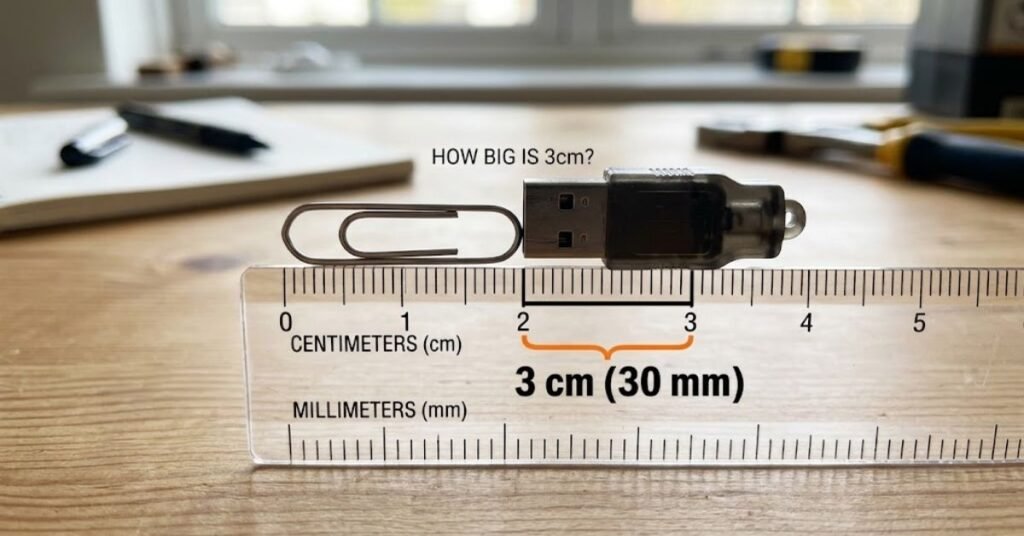
You pick up a small object and wonder, “Is this about 3 cm?” Most of us have been there. A rough guess works for a moment, but then you need an answer.This guide gives you that answer in plain words.
You will see ten common things that are 3 cm big, learn quick tricks for measurement without a ruler, and finish with a clear picture of this small object measurement in your head.
What Is 3 cm in Simple Terms
3 centimeters is a short length. It equals 30 millimeters (mm) and about 1.18 inches. If you picture a thumb joint or a large coin, you are already close.
In simple terms, 3 cm is a little longer than 1 inch. It is small, yet easy to see. That makes it a handy size reference for everyday things.
The 3 cm measurement shows up more than you would think. Bottle caps, coins, and small knobs all land near it. Once you notice this, length estimation gets much easier.
How Big Is 3 cm
So, how big is 3 cm? Think of a compact size that fits between two fingers. It is smaller than 2 inches but clearly bigger than a pea or a button.
Here is a quick unit conversion to lock it in. 3 cm equals 30 mm, and 1 inch equals 2.54 cm. Divide 3 by 2.54 and you get roughly 1.18 inches.
Why does this matter? A 3 cm size is the sweet spot of small but clearly visible. You can spot it from an arm’s length away, yet it tucks into your palm without effort.
Measurement Without a Ruler
No ruler nearby? No problem. Your hands are built-in measuring tools. For most adults, a thumb is roughly 2 to 2.5 cm wide, and two finger widths together often land near 3 to 4 cm.
Bodies differ, so test yours once. Lay your index finger and middle finger side by side on a real ruler and note the gap. That one check turns your hand into a reliable visual measurement guide.
You can also use common reference objects. A bottle cap as a size reference, a coin as a measurement guide, or a key head as a size reference all work well. Two AA batteries lying side by side measure about 2.9 cm too, which is a neat shortcut for estimating length by sight.
Quick Comparison Table
Here is a snapshot of the ten items. Sizes vary a little by brand and region, so treat these as approximate measurements and not exact specs.
| Object | Typical Size | Measure Type |
| Bottle cap | 2.8 to 3.0 cm | Diameter |
| Large coin | About 3.0 cm | Width |
| Key head | 2.5 to 3.0 cm | Width |
| Marker cap | 2.5 to 3.0 cm | Width |
| Small candle | About 3.0 cm | Diameter |
| Lip balm pot | 2.5 to 3.0 cm | Width |
| Small watch dial | 2.8 to 3.0 cm | Diameter |
| Mini cookie | About 3.0 cm | Diameter |
| Glue stick (large) | 2.5 to 3.0 cm | Diameter |
| Drawer knob | About 3.0 cm | Width |
Use the table as a starting point. Then grab the item in your hand and compare. Real objects teach your eyes faster than numbers do.
1. Bottle Cap Diameter
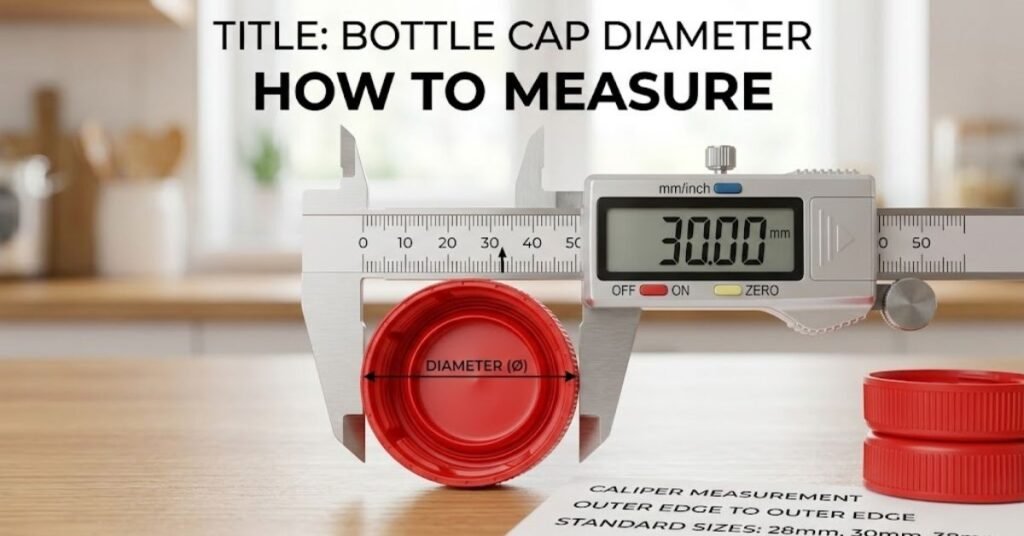
The bottle cap diameter on many soft drink bottle caps and water bottle caps sits close to 3 cm. Pick up any plastic screw cap and you are holding a near-perfect 3 centimeters reference.
Caps are not identical, though. Some are a touch smaller, around 2.8 cm, and some are a bit wider. That is normal coin size variations style wiggle room, just for bottles.
This is the easiest everyday measurement trick on the list. Every home has a cap lying around, so you always carry a handy guide.
2. Large Coin Width
Large coins are a classic. The US half dollar, for example, measures about 30.6 mm, which makes it a close match for 3 cm. It is one of the best coin diameter examples you can find.
Other coins run smaller. A US quarter is about 24 mm, and a two euro coin is roughly 26 mm. So the word “large” matters here.
If you can find a bigger coin, use it as your coin as a measurement guide. Hold it up against an object and you get a fast, honest read.
3. Key Head Width
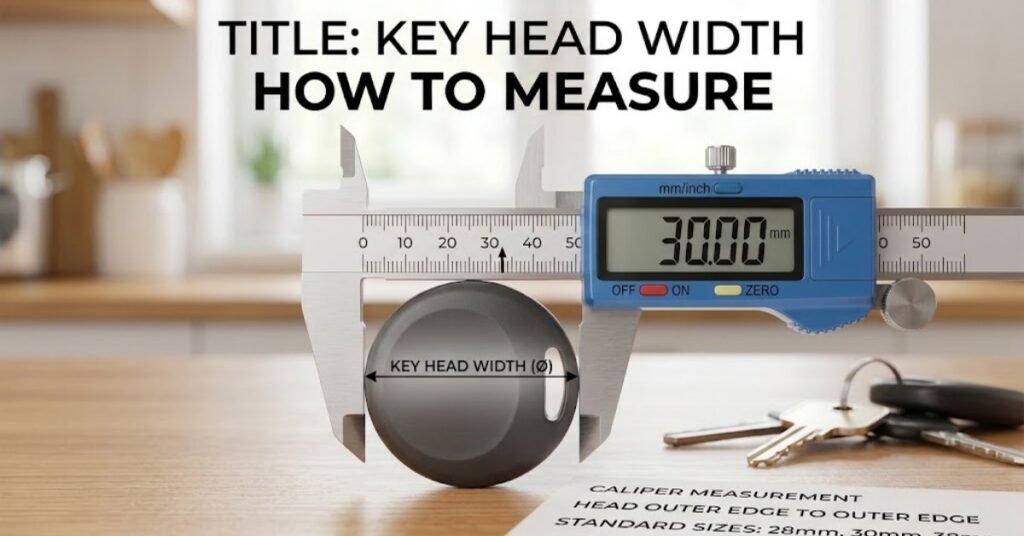
Flip a standard house key over and look at the round or oval top. On many keys, the key head width lands between 2.5 and 3 cm. A small key head often sits right around 3 cm.
Keys vary by lock type and maker. A chunky car key can run bigger, while a tiny padlock key may fall short.
Still, a key is a great pocket tool. It is thin, flat, and always with you, so it works as a quick size reference when you need one.
4. Marker Cap Width
Grab a thick permanent marker and check its cap. The marker cap width usually falls near 2.5 to 3 cm, depending on the brand. A pen cap from a slim ballpoint will be much smaller, so pick chunkier ones.
Markers are school supplies and office staples, so they turn up everywhere. That makes them a friendly daily-use item for practicing your eye.
Next time you sit at a desk, hold a marker cap beside your thumb. You will quickly feel how 3 cm sits against your own hand.
5. Small Candle Diameter
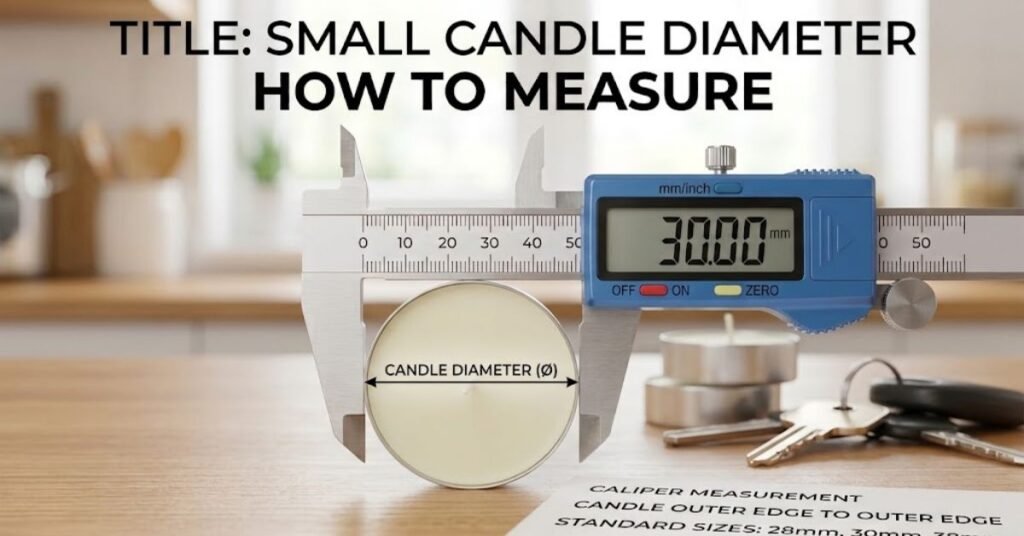
A small candle diameter of about 3 cm shows up in slim taper bases, mini pillar candles, and some decorative candle designs. They look cute on a shelf and fit tight spaces.
Tea lights are a bit wider, often near 3.8 cm, so do not mix them up. A birthday candle is far thinner, closer to half a centimeter.
If you shop for home decoration planning, this matters. A holder built for 3 cm will not fit a wider candle, so measure before you buy.
6. Lip Balm Stick Width
Many lip balm container styles, especially small pots and chunky tubes, measure close to 3 cm across. Slim sticks run narrower, around 1.5 to 2 cm, so check the shape.
The lip balm stick width is a nice test for your fingers. Hold one between your thumb and index finger and feel how snug it is.
Because lip balm lives in pockets and bags, it counts as one of the most portable everyday objects you own. It is also a very friendly size guide.
7. Watch Dial (Small)
A small watch dial often measures between 28 and 30 mm, especially on classic women’s and slim dress watches. That puts the watch face diameter right at 3 cm for many models.
Men’s sport watches usually run 38 to 44 mm, so they are far bigger. The difference shows how much a few millimeters change the look on your wrist.
If you are watch shopping, knowing the 3 cm range helps you filter listings fast. You can spot a dainty face before you even open the photos.
8. Mini Cookie
A mini cookie is a fun one. Bite-size cookies, small shortbread rounds, and tiny biscuits often come out near 3 cm, though bakers vary a lot.
The cookie diameter depends on dough, spread, and oven heat. Still, if you bake with a small cutter, you can hit 3 cm on purpose.
Here is a tasty tip. Press a 3 cm cutter into dough and you get a perfect real-life size comparison you can eat afterward.
9. Glue Stick Diameter
Check a large school glue stick. The glue stick diameter on bigger sticks runs around 2.5 to 3 cm, while the small ones sit nearer 2 cm.
Glue sticks are classic school supplies, so kids and parents see them all the time. They make a smart reference for crafts and schoolwork.
Just remember brands differ. Compare yours with a ruler once, then you will know how it behaves against the 3 cm mark.
10. Drawer Knob Width
A small drawer knob is often sold at 30 mm, which is exactly 3 cm. It is a common size for cabinets, dressers, and wardrobes, so it is easy to find in hardware stores.
The drawer knob width matters for fit and feel. Too small and it is hard to grip, too big and it looks heavy on a slim drawer.
These compact household items show up in kitchens and bedrooms everywhere. Spot one and you have a permanent 3 cm marker in your home.
3 cm vs 3 Inches: Don’t Mix Them Up
A very common slip is confusing centimeters with inches. 3 inches equals 7.62 cm, which is more than double 3 cm. That gap can ruin a craft cut or a furniture order.
Some quick inches-to-centimeters conversion points help. 1 inch is 2.54 cm, 2 inches is 5.08 cm, 4 inches is 10.16 cm, and 5 inches is 12.7 cm.
If you think in imperial measurement system units, remember 3 cm is just over 1 inch. If you think in the metric measurement system, picture 30 mm. Either way, double check the unit label.
Where a 3 cm Measurement Helps in Real Life
Small sizes pop up in daily tasks. You may be cutting paper, checking a small gap, or testing the thickness of a board. A 3 cm guide keeps your work tidy.
It helps in office work and crafts too. Think of label sizes, sticker spots, or button holes. A quick length estimation saves time when you cannot find a tool.
Shoppers get a boost as well. Whether you are choosing a knob, a candle, or a watch, knowing the object dimensions keeps you from guessing. That is a real win for small household tasks.
Conclusion
Now you know what 3 cm looks like. It is 30 mm, about 1.18 inches, and roughly the size of a bottle cap, a large coin, or a small drawer knob.You also have tricks for measurement without a ruler, from finger widths to batteries.
Use them, test them once, and your visual size estimation will get sharper each day.Next time you need a quick guess, grab a common reference object and trust your eyes. Which item surprised you most? Share it with a friend and see if they can guess 3 cm too.
FAQs
How big is 3 cm in inches?
3 cm equals about 1.18 inches. You get this by dividing 3 by 2.54, since 1 inch is 2.54 cm.It is a little longer than 1 inch and well under 2 inches. In millimeters, it is exactly 30 mm.
What does 3 cm look like?
It looks like the width of a thumb or a large coin. A bottle cap and a small drawer knob are also great matches.Picture a compact size that sits between two fingers. It is small, but you can see it clearly.
Is 3 cm big or small?
It is small. Most people would call it a small dimension, about the size of a bottle cap.Still, it is easy to see and handle. That makes it perfect for fine tasks like crafts and detail work.
How can I measure 3 cm without a ruler?
Use a bottle cap, a large coin, or two AA batteries side by side. You can also use your finger widths after checking them once against a real ruler.

Ethan Whitmore is the editor and administrator of Stylovix, dedicated to making measurements, conversions, sizes, and dimensions simple, accurate, and easy to understand.
