
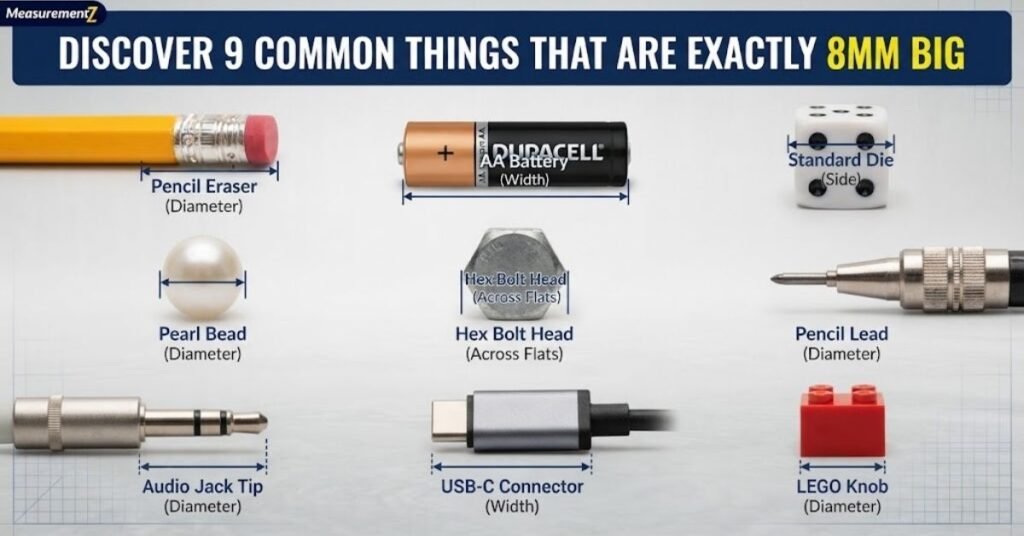
Ever squinted at a product listing that says “8mm” and had zero clue what that actually looks like? You’re not alone. Most people can picture an inch or a centimeter, but 8 millimeters just doesn’t click right away.
Here’s the short answer. 8mm is roughly the width of a pencil eraser or a small pearl bead. It’s small, but not tiny. Think of something you could hold between two fingers without even trying.
That’s the quick take. Now let’s dig into why this measurement matters, how to eyeball it without a ruler, and nine everyday things that share this exact size.
How Big Is 8mm?
Let’s get the numbers out of the way first. 8mm equals 0.31 inches, or if you want to be precise, 0.315 inches. In the metric system, that’s 0.8 centimeters, or 0.008 meters if you’re working in bigger units.
If imperial units confuse you, think of it this way. 8mm is a little less than one third of an inch. It’s also just shy of 1 centimeter, so if you’ve got a coin or a small object that’s about 1cm, shave off a tiny sliver and that’s your 8mm mark.
People run into this measurement more than they realize. Jewelry sizes, screw dimensions, cable widths, even food portions get labeled in millimeters. Once you have a mental visual reference for 8mm, shopping online gets a whole lot easier.
Ways to Estimate 8mm Without a Ruler
Not every situation gives you access to a ruler or measuring tape. Maybe you’re standing in a hardware store or scrolling through an online shop at midnight. Either way, you can still get a solid estimate.
The trick is training your eye using things you already carry around. Your body, your wallet, and your desk drawer are full of built-in measuring tools you never thought about that way.
Below are three simple methods people use to measure 8mm without any gadgets at all.
Using Your Fingers
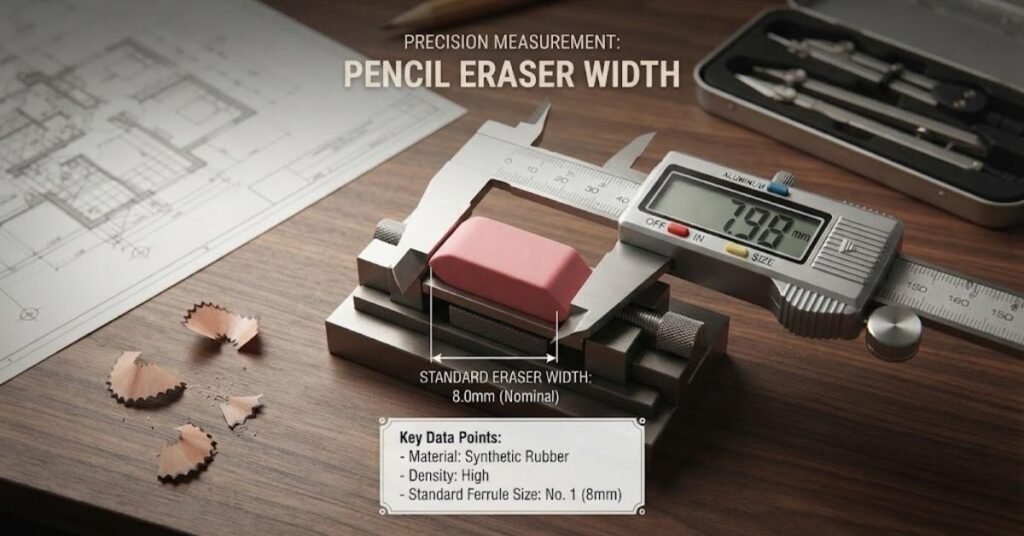
Your own hand is a surprisingly reliable tool. The width of your pinky fingernail is close to 8mm for most adults. Hold your pinky up and take a look. That little sliver of nail is roughly the size you’re after.
This trick works great when you’re out shopping and need a fast size reference. No app, no tape measure, just your hand doing the math for you.
Obviously, hands vary from person to person. But for a rough visual estimate, your pinky nail gets you close enough for everyday decisions.
Using Common Objects
Look around your desk right now. A pencil eraser width, a pea from last night’s dinner, or the tip of a marker cap all sit right around 8mm. These everyday objects double as free measuring tools.
The beauty of this method is repetition. Once you’ve compared a few household items side by side, your brain starts recognizing 8mm on sight. It becomes second nature after a while.
Keep a small object like a bead or button nearby. Next time you need a quick practical comparison, you’ll already have your reference point sitting on the table.
Using Coins and Accessories
Stacked coins and small accessories work well too. Layer a couple of coins together and check the height against a known 8mm object like a screw head or button battery.
Jewelry pieces help here as well. A medium-sized pearl or a thin jewelry ring band often measures close to 8mm, giving you something wearable to compare against.
This method feels a bit like detective work. You’re cross-referencing sizes using stuff you already own, which honestly beats digging through a drawer for a ruler.
Common Things That Are 8mm Big
Now for the fun part. Below is a list of everyday objects that measure roughly 8 millimeters, spanning categories like electronics, jewelry, hardware, and office supplies.
Each one gives you a different object comparison, so you’ll never be stuck guessing again. Whether you’re a DIY hobbyist, a student, or just curious, these examples cover a lot of ground.
Let’s go through them one by one, with a bit of context on why each one lands at this exact size.
Pencil Eraser Width
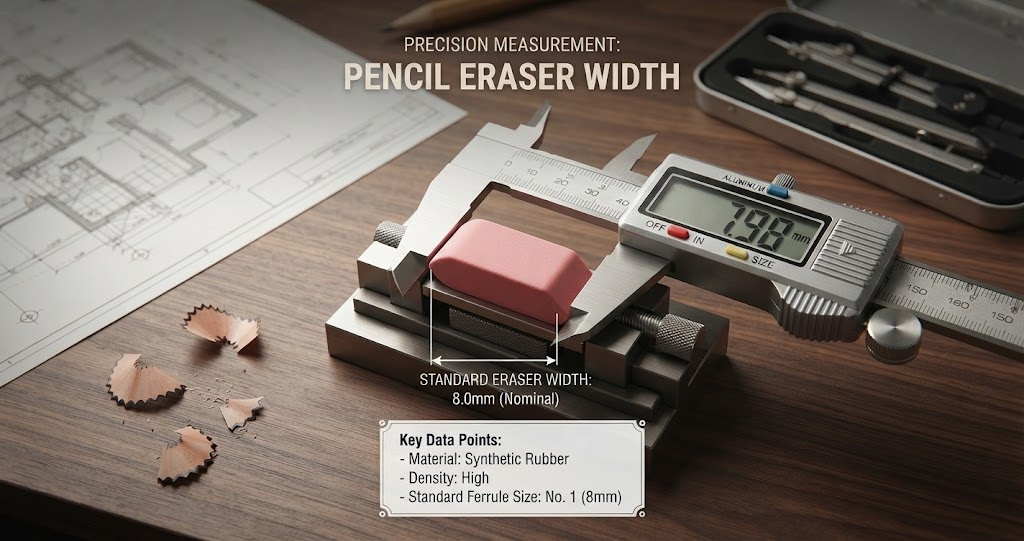
Grab a standard wooden pencil and look at the pink eraser on the end. That eraser width usually sits right around 8mm across, give or take a hair depending on the brand.
Teachers and students run into this size constantly without ever noticing it. It’s one of those common size examples hiding in plain sight, right there in your pencil case.
Next time you’re doubting whether something looks like 8mm, just pull out a pencil. It’s probably the easiest visual reference you own.
Small Pearl Bead
If you’ve ever browsed handmade jewelry or tried your hand at jewelry making, you’ve seen pearl beads in this range. A small pearl bead used in necklace or bracelet designs often measures close to 8mm in diameter.
Crafters love this size because it’s noticeable without being bulky. It shows up in earrings too, striking a balance between delicate and visible.
If you’re shopping for decorative crafts supplies, an 8mm bead is considered a versatile middle ground. Not too small to lose, not too big to overpower a design.
USB Cable Tip Width
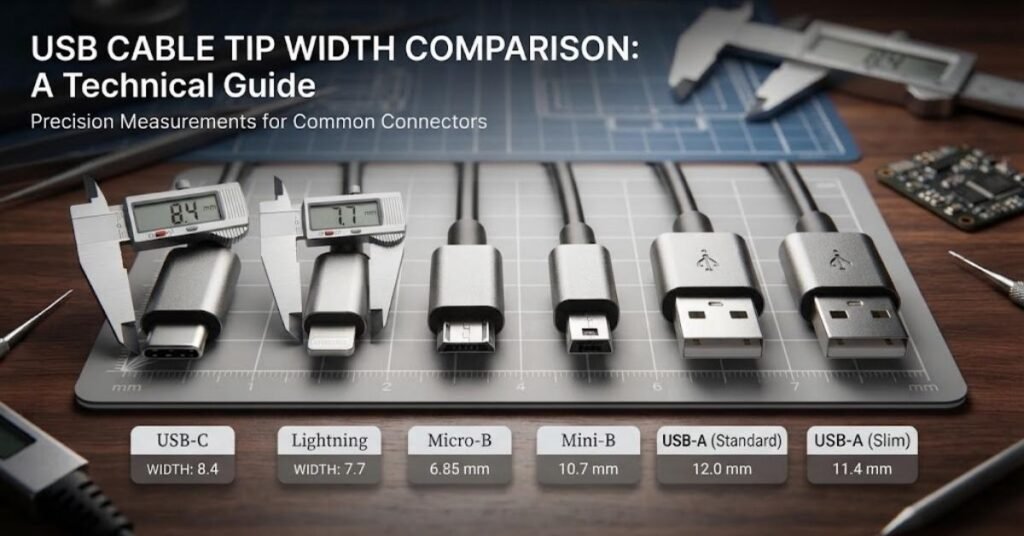
Here’s a more modern example. The USB cable tip, specifically the connector width on many charging cable designs, comes in around 8mm. This applies to a good chunk of phone charger and USB connector hardware.
Electronics manufacturers work with tight tolerances, so this size shows up again and again across different gadgets. It’s a practical dimension that fits comfortably into ports without feeling flimsy.
Next time you’re untangling cables, take a second look at the connector tip. There’s a decent chance it lines up with the 8mm mark.
Pea Diameter
Believe it or not, your dinner plate holds a great size reference too. A typical green pea measures close to 8mm in diameter, making it one of the easiest food size comparison examples out there.
Whether it’s tossed into soups, mixed into salads, or served as a side, this humble vegetable gives you a relatable, no-cost way to picture the size.
It’s a fun one to share with kids, honestly. Handing them a pea and saying “this is 8 millimeters” sticks better than any explanation ever could.
Standard Button Thickness
Buttons might seem like an odd size example, but a standard button used on lightweight fabrics or children’s clothing often has a thickness close to 8mm. This applies to plenty of shirt button and sewing button varieties too.
In the world of fashion and sewing, thickness matters just as much as diameter. A button that’s too thick won’t sit flat, and one that’s too thin might not hold up over time.
If you sew as a hobby, keep an 8mm button nearby as a quick size reference for future projects. It saves a lot of guesswork at the fabric store.
Small Screw Head
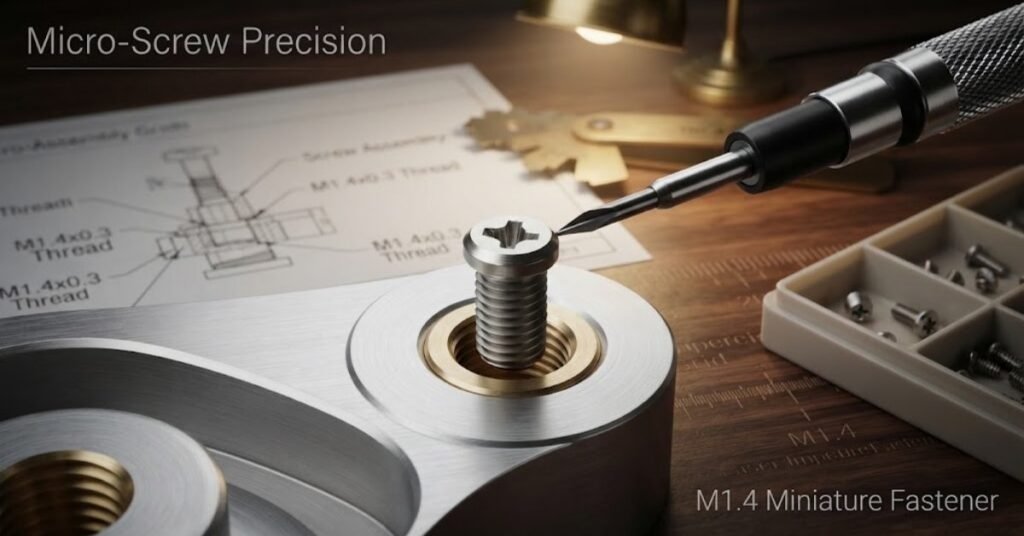
Head over to the toolbox and you’ll spot this size fast. A small screw head used in furniture, appliances, and general hardware work often measures 8mm across.
Carpenters, mechanics, and weekend DIY folks deal with this size constantly. Whether you’re tightening a cabinet hinge or fixing an appliance panel, screws in this range show up often.
Keep this in mind next time you’re picking drill bits or replacement screws for a repair. Matching the screwdriver size to an 8mm head saves you from stripping anything.
Earbud Silicone Tip
If you use wireless earbuds, you’ve handled this size without a second thought. The earbud silicone tip, the soft part that sits in your ear, often comes in a medium earbud tip size close to 8mm.
This size affects more than fit. It plays into noise isolation and overall sound quality, since a properly sized tip seals the ear canal without causing discomfort.
Audio devices manufacturers usually offer a few tip sizes precisely because ears vary. But 8mm tends to be the sweet spot for most adult users, balancing comfort and performance.
Marker Cap Thickness
Check your desk drawer one more time. The marker cap thickness on many office supplies, especially whiteboard and highlighter markers, sits around 8mm.
This size shows up in classroom supplies and stationery everywhere, from schools to home offices. It’s designed to be thick enough to grip firmly, yet slim enough to click shut with ease.
If you’re a teacher or student surrounded by pens and markers, you’ve been holding 8mm objects all along without realizing it.
Jewelry Ring Band Width
Rings offer another solid example. A jewelry ring band width of about 8mm is common in men’s rings, wide fashion rings, and certain wedding band styles.
Materials like stainless steel ring, tungsten ring, gold ring, and silver ring designs frequently use this width because it feels substantial without being uncomfortable. It’s a popular choice for anyone wanting a bold, noticeable band.
If you’re measuring jewelry for a gift, knowing that 8mm falls into the wider band category helps you picture the final look before you even see it in person.
Why Knowing 8mm Actually Helps You
You might be wondering why any of this matters beyond trivia. Truth is, understanding measurement conversions and having a mental conversion chart saves you from returns, mismatched parts, and wasted money.
Online shopping is the biggest culprit here. Product listings for electronics parts, craft supplies, and small hardware often skip visuals entirely, leaving you with just a number. Knowing what 8mm actually looks like turns a guessing game into a confident decision.
This kind of size estimation skill also comes in handy in arts and crafts, learning measurements for math class, and everyday DIY work around the house. It’s a small skill with a surprisingly wide reach.
A Few More Everyday 8mm Examples
Beyond the nine main examples, a handful of other household products land in this same range too. Worth knowing if you want an even sharper eye for object size.
A standard drill bit shank on many mid range drill bits measures close to 8mm, which matters if you’re matching bits to a chuck. Certain button batteries used in small electronics also fall into this diameter range.
Even some blueberries, when compared side by side with a pea, land close to 8mm depending on ripeness. It’s not an exact science, but it adds another relatable, edible reference to your mental list.
FAQs
How big is 8mm in inches?
8mm converts to 0.31 inches, or more precisely 0.315 inches. That puts it at just under one third of an inch, which is roughly the width of a pencil eraser.
What does 8mm look like?
Picture a small pearl bead, a pea, or the pencil eraser on a wooden pencil. All three give you a solid visual reference for this exact width.
Is 8mm close to 1 centimeter?
Yes, it’s very close. 1 centimeter equals 10mm, so 8mm is just slightly smaller, about 0.8 cm. The difference is barely noticeable to the naked eye.
How can I measure 8mm without a ruler?
Use your pinky fingernail, a pencil eraser, or a small bead as a practical comparison. Stacked coins and small accessories work too if you need a second point of reference.
Is 8mm considered small?
In the world of precision sizing, yes, 8mm counts as a small measurement. But it’s large enough to see and handle easily, which makes it a common choice for compact devices, jewelry, and small hardware.
Conclusion
At the end of the day, 8mm isn’t some abstract number buried in a spec sheet. It’s the width of your pencil eraser, the diameter of a pea, the thickness of a button, and the size of a comfortable jewelry ring band.
Once you’ve got a few of these real-life examples locked into memory, you’ll never feel lost reading a product description again. Whether you’re shopping for electronics, picking out jewelry, or handling a DIY repair, this size reference sticks with you for good.
Got a favorite everyday object that’s exactly 8mm? Drop it in the comments and help build out this list even further.

Ethan Whitmore is the editor and administrator of Stylovix, dedicated to making measurements, conversions, sizes, and dimensions simple, accurate, and easy to understand.
